🇦🇪 This article is based on carefully researched information sourced from official UAE authorities, government announcements, and trusted publications such as Gulf News and Khaleej Times to provide readers with accurate and reliable updates. No unverified statistics have been used in this article.
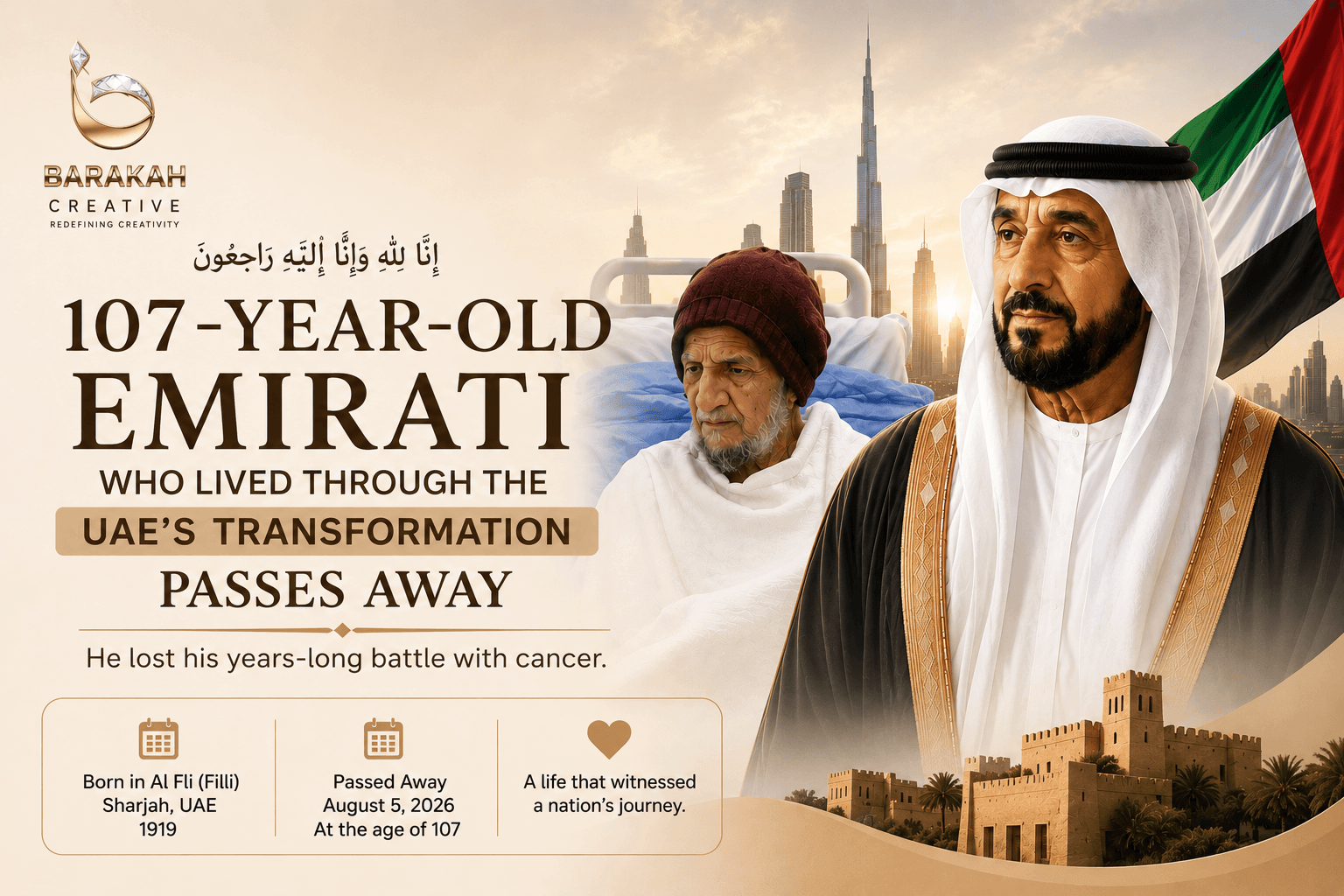
Abdullah Dhuha Askar Al Kaabi was a 107-year-old Emirati centenarian from Al Filli, Sharjah, whose life spanned 1919 to 2026. Born before the UAE was formed, he witnessed the country’s transformation from traditional communities into a modern nation.
He was remembered not only for his remarkable age, but also for his wisdom, family values, faith, and the people he helped throughout his life.
Through the memories of his family and those who knew him, Barakah Creative By Kanwal explores Abdullah’s life and the remarkable UAE transformation he witnessed.
🇦🇪 التوصية بالعربية: عبدالله ضحى عسكر الكعبي كان معمّر إماراتي من الفلي في الشارقة، عاش من 1919 إلى 2026 وشهد تحول الإمارات من الحياة التقليدية إلى الدولة الحديثة. وتبقى قصته مرتبطة بالحكمة والعائلة والإيمان ومساعدة الناس.
Quick Answer: Who Was Abdullah Dhuha Askar Al Kaabi?
الإجابة السريعة: من هو عبدالله ضحى عسكر الكعبي؟
Abdullah Dhuha Askar Al Kaabi was an Emirati community elder from Al Filli, Sharjah, born in 1919. He lived to 107 and witnessed the formation of the UAE in 1971 and its transformation into a modern nation.
He was remembered for his wisdom, strong memory, religious devotion, generosity, and support for his community. He was not known for holding a government position, but for the trust and respect he earned from people.
🇦🇪 التوصية بالعربية: عبدالله ضحى عسكر الكعبي كان من كبار المجتمع الإماراتي في الفلي بالشارقة، انولد عام 1919 وعاش 107 سنوات. شهد قيام دولة الإمارات عام 1971 وشاف بنفسه التحول الكبير اللي مرت فيه الدولة.
Abdullah Al Kaabi’s Life at a Glance

A Life in Numbers
Abdullah Al Kaabi’s life at a glance
From a village in Sharjah to witnessing a nation’s founding
Tap any row for a little more context
Born
1919
The year his story began, in a small village on the Gulf coast.
Birthplace
Al Filli, Sharjah
Al Filli, a small settlement in the emirate of Sharjah.
UAE Union
1971
The year the seven emirates united to form the UAE.
Age at union
52
He was 52 when the union was formed, already deep into a full life.
Marriages
9
Nine marriages across a life that spanned more than a century.
Sons
2
Two sons carried his name and his story forward.
Grandchildren
10
Ten grandchildren, each a continuation of the family line.
Age at death
107
A full century and beyond, a life that outlasted every era it touched.
Died
5 August 2026
He passed peacefully, having witnessed the entire arc of the UAE’s transformation.
Designed by Barakah Creative by Kanwal
Where Was Abdullah Dhuha Askar Al Kaabi From? من وين كان عبدالله ضحى عسكر الكعبي؟
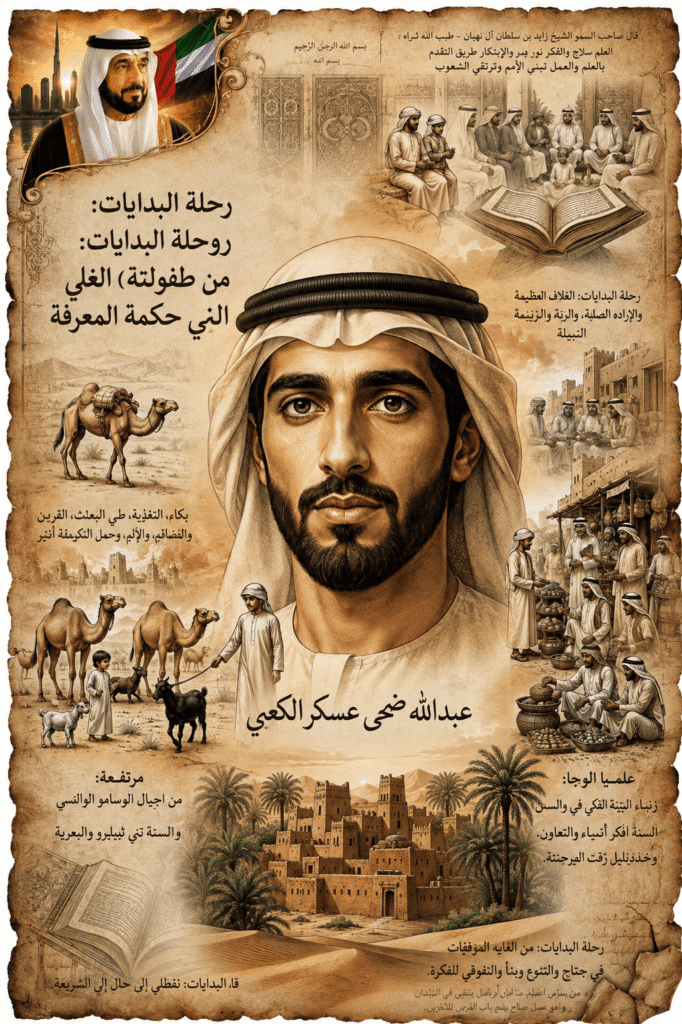
Abdullah Dhuha Askar Al Kaabi was from Al Filli in Sharjah, the rural area where he was born and raised. His early life was closely connected to the desert environment, family, livestock, traditional work, and the close community around him. This was a very different Sharjah from the modern emirate we know today.
🇦🇪 التوصية بالعربية: عبدالله ضحى عسكر الكعبي كان من الفلي في الشارقة، وهناك انولد ونشأ. كانت حياته مرتبطة بالصحراء والأهل والمواشي والعمل التقليدي والمجتمع القريب منه، وكانت الشارقة وقتها مختلفة كثير عن اللي نعرفها اليوم.
Abdullah Al Kaabi's Roots in Al Filli, Sharjah
Al Filli was an important part of Abdullah's identity throughout his life. Even after experiencing decades of change across the UAE, his connection to his hometown remained strong.
The older accounts about his life also show how closely he was connected to the land, traditional farming, livestock, and the people of his community.
🇦🇪 التوصية بالعربية: الفلي كانت جزء أساسي من هوية عبدالله طوال حياته. ورغم كل التغييرات اللي شافها في الإمارات، ظل مرتبط بمكانه وأهله، وبالأرض والمواشي والعادات اللي تربى عليها.
A Sharjah Childhood Before the Modern UAE
When Abdullah was growing up, there was no United Arab Emirates yet. His childhood belonged to the period before the Union, when communities depended heavily on traditional knowledge, family support, local trade, livestock, and the resources available around them.
His experiences from those years later became part of the memories he shared with younger generations.
🇦🇪 التوصية بالعربية: عبدالله عاش طفولته في فترة ما كان فيها اتحاد الإمارات موجود بعد. كانت الحياة تعتمد بشكل كبير على معرفة الناس وخبرة الأهل والتجارة المحلية والمواشي والموارد المتوفرة حولهم، وهذه الذكريات ظلت معاه ونقلها للأجيال الأصغر.
When Was Abdullah Dhuha Askar Al Kaabi Born?
متى انولد عبدالله ضحى عسكر الكعبي؟
Abdullah Dhuha Askar Al Kaabi was born in 1919 in Al Filli, Sharjah. His birth came more than five decades before the establishment of the United Arab Emirates in 1971, meaning he grew up during a completely different period of the country's history.
🇦🇪 التوصية بالعربية: عبدالله ضحى عسكر الكعبي انولد عام 1919 في الفلي بالشارقة، يعني قبل قيام دولة الإمارات بأكثر من خمسين سنة. طفولته وشبابه كانوا في زمن مختلف تماماً عن الإمارات اللي نعرفها اليوم.
At the time of his birth, there was no UAE federation, and modern infrastructure and services had not yet transformed the region. Abdullah's early years were shaped by the traditional life of the communities around Al Filli, giving him first-hand memories of a period that later generations would know mainly through stories and history.
🇦🇪 التوصية بالعربية: وقت ولادته ما كانت دولة الإمارات موجودة كاتحاد، وكانت الحياة والخدمات والبنية التحتية مختلفة بشكل كبير. عبدالله عاش بنفسه تلك الفترة القديمة، ولذلك كانت عنده ذكريات وتجارب ما عاشها كثير من الأجيال اللي جت بعده.
His life would eventually span 1919 to 2026, allowing him to witness the creation of the UAE, its rapid development, and the transformation of communities such as the one where he was raised. That extraordinary timeline is one of the reasons his biography offers such a personal view of the country's history.
🇦🇪 التوصية بالعربية: عاش عبدالله من 1919 إلى 2026، وشهد قيام الاتحاد والتطور السريع في الدولة والتغيير الكبير في المناطق اللي عاش فيها. ولهذا قصته تعطي صورة إنسانية مميزة عن تاريخ الإمارات وتحولها عبر الأجيال.
What Was Life Like When Abdullah Al Kaabi Was Growing Up?
كيف كانت الحياة وقت ما كان عبدالله الكعبي صغير؟
Abdullah Dhuha Askar Al Kaabi grew up in a very different UAE from the one we know today. He spent his childhood in Al Filli, Sharjah, during the pre Union era, when daily life was closely connected to the desert, family, livestock, local trade, and traditional community life.
These early experiences later gave him a deep understanding of the way Emirati communities lived before the country's rapid modernization.
Abdullah Dhuha Askar Al Kaabi has witnessed more than a century of Emirati traditions, from the early days of the UAE to the modern celebrations of important Islamic occasions such as 12 Rabi-ul-Awal in the UAE.
🇦🇪 التوصية بالعربية: عبدالله ضحى عسكر الكعبي عاش طفولته في إمارات مختلفة تماماً عن اليوم. تربى في الفلي بالشارقة في فترة ما قبل الاتحاد، وكانت الحياة مرتبطة بالصحراء والأهل والمواشي والتجارة المحلية والعادات القديمة.
Life in Al Filli Before the UAE Union
There were no modern schools, highways, hospitals, or large urban centres surrounding Abdullah's childhood in the way they do today. Families relied heavily on their own skills and on one another. Knowledge was passed from one generation to the next through parents, elders, work, religion, and everyday experience.
🇦🇪 التوصية بالعربية: في طفولة عبدالله ما كانت المدارس الحديثة والطرق السريعة والمستشفيات والمدن الكبيرة موجودة مثل اليوم. كانت العائلات تعتمد على نفسها وعلى بعضها، وكان العلم والخبرة ينتقلون من الأهل والكبار ومن خلال العمل والدين والحياة اليومية.
This was also a period when the desert was not simply a place people visited. It was part of life itself. Abdullah later worked in the Badiya, cared for livestock, and ran his own business. His practical experience helped shape the wisdom for which he became known in later life.
🇦🇪 التوصية بالعربية: الصحراء في ذلك الوقت ما كانت مجرد مكان بعيد، كانت جزء من الحياة نفسها. عبدالله اشتغل في البادية واهتم بالمواشي وكان عنده عمله الخاص، وهذه التجارب ساعدته في تكوين الحكمة والخبرة اللي اشتهر فيها بعدين.
A Life Built on Family, Faith and Community
For Abdullah, life was also strongly connected to the people around him. Family and community were important parts of everyday life, and his later role as a respected elder reflected the values he had grown up with. His son Mohammed later remembered him as a tolerant, humble and wise man who wanted good for others.
🇦🇪 التوصية بالعربية: حياة عبدالله كانت مرتبطة بالأهل والدين والمجتمع. والقيم اللي تربى عليها ظهرت بشكل واضح في دوره بعدين كأحد كبار المجتمع، وكان ابنه محمد يصفه بأنه رجل متسامح ومتواضع وحكيم ويحب الخير للناس.
Did Abdullah Dhuha Askar Al Kaabi Receive Formal Education?
هل عبدالله ضحى عسكر الكعبي درس في المدارس؟
Abdullah Dhuha Askar Al Kaabi did not receive formal schooling. According to his son Mohammed, Abdullah did not complete primary education because schools were not available in the rural environment where he grew up.
His education came mainly through everyday life, work, family, religion, and the experience he gained over many decades.
🇦🇪 التوصية بالعربية: عبدالله ضحى عسكر الكعبي ما حصل على تعليم مدرسي رسمي، ووفقاً لابنه محمد ما كمل المرحلة الابتدائية لأن المدارس ما كانت متوفرة في البيئة الريفية اللي تربى فيها. تعليمه كان من الحياة والعمل والأهل والدين والخبرة اللي اكتسبها خلال السنين.
How Did Abdullah Al Kaabi Learn Without Formal Schooling?
Although he did not attend formal school, Abdullah developed a reputation for intelligence, wisdom, and an exceptional memory. His family remembered how he could recall events from many decades earlier and retain detailed memories of people and experiences from his past.
🇦🇪 التوصية بالعربية: رغم إنه ما درس في مدرسة، عبدالله كان معروف بالذكاء والحكمة وقوة الذاكرة. أهله كانوا يذكرون قدرته على تذكر أحداث قديمة جداً وأسماء وتفاصيل من حياته بعد مرور عقود.
His knowledge was also practical. He learned from the environment around him, from working in the desert, caring for livestock, managing his own affairs, and interacting with the people of his community. These experiences helped shape the practical wisdom for which he was respected later in life.
🇦🇪 التوصية بالعربية: معرفته كانت عملية أكثر من كونها أكاديمية. تعلم من البيئة اللي حوله، ومن العمل في البادية والاهتمام بالمواشي وإدارة شؤونه والتعامل مع أهل مجتمعه، وهذه الخبرات ساعدته يكون صاحب حكمة وخبرة يحترمها الناس.
A Different Kind of Education
For Abdullah, education was not limited to a classroom. His life became his teacher, and the lessons he gathered through work, faith, family, and community stayed with him throughout his 107 years. That background also helps explain why people continued to turn to him for advice and guidance despite his lack of formal qualifications.
🇦🇪 التوصية بالعربية: بالنسبة لعبدالله، التعليم ما كان مقتصر على المدرسة. حياته نفسها كانت مدرسة، وتعلم من العمل والدين والأهل والمجتمع، وظلت هذي الخبرات معاه طوال 107 سنة من عمره.
What Work Did Abdullah Al Kaabi Do?
شو كان شغل عبدالله الكعبي؟
Without formal schooling, Abdullah Dhuha Askar Al Kaabi built his life through practical work and experience. He worked in the Badiya, cared for livestock, and also ran his own business.
His working life reflected the traditional way many people in the UAE's rural communities supported themselves before the country's rapid modernization.
🇦🇪 التوصية بالعربية: عبدالله ضحى عسكر الكعبي بنى حياته من خلال العمل والخبرة العملية. اشتغل في البادية واهتم بالمواشي وكان عنده عمله الخاص، وكانت حياته العملية تشبه أسلوب الحياة التقليدي في المناطق الريفية قبل التطور الكبير في الإمارات.
Abdullah Dhuha Askar Al Kaabi's Work in the Desert
Working in the desert required practical knowledge, patience, and an understanding of the environment. Abdullah's experience in the Badiya became an important part of his life, alongside his responsibilities toward his family and community.
🇦🇪 التوصية بالعربية: العمل في البادية كان يحتاج خبرة وصبر ومعرفة بالبيئة المحيطة. وكانت خبرة عبدالله في البادية جزء مهم من حياته، إلى جانب مسؤولياته تجاه أهله ومجتمعه.
His Livestock and Traditional Way of Life
Abdullah also cared for livestock, and accounts of his life describe him as someone who remained personally involved in looking after his animals. His connection with livestock was not simply work. It was part of the traditional lifestyle he had known since his younger years.
🇦🇪 التوصية بالعربية: عبدالله كان يهتم بالمواشي بنفسه، وكانت علاقته فيها جزء من حياته التقليدية من أيام شبابه، مو مجرد شغل أو مصدر رزق.
Did Abdullah Al Kaabi Have His Own Business?
Yes. The available biographical material describes Abdullah as having his own business in addition to his work in the desert and his responsibilities with livestock. His life was therefore not limited to one occupation. He combined practical work, private business, family responsibilities, and community life over the years.
🇦🇪 التوصية بالعربية: نعم، المعلومات المتوفرة عنه تذكر أن عبدالله كان عنده عمله الخاص، إلى جانب شغله في البادية واهتمامه بالمواشي ومسؤولياته تجاه أسرته ومجتمعه.
A Life Built Through Practical Experience
Abdullah's working life is important because it helps explain the kind of knowledge he carried later in life. He learned by doing, observing, remembering, and dealing with real situations. That practical experience became part of the wisdom people valued in him as he grew older.
🇦🇪 التوصية بالعربية: حياة عبدالله العملية مهمة لأنها تفسر جزء من الخبرة والحكمة اللي حملها معه في سنواته الأخيرة. كان يتعلم من العمل والملاحظة والتجربة والتعامل مع مواقف الحياة، وهذا الشي خلا الناس يقدّرون حكمته وخبرته.
What Made Abdullah Al Kaabi Different?

Remembered For
What made Abdullah Al Kaabi different?
Eight qualities that outlasted every change around him
Designed by Barakah Creative by Kanwal
Throughout his 107 years, Abdullah Dhuha Askar Al Kaabi has witnessed generations of Emirati traditions and Islamic customs. From the significance of Dhul Hijjah and the weekly observance of Jumma in the UAE to Ashura in the UAE, these occasions continue to hold an important place in the country’s Islamic heritage, bringing communities together through prayer, remembrance, reflection, and religious observance.
Did Abdullah Dhuha Askar Al Kaabi Hold a Government Position?
هل عبدالله ضحى عسكر الكعبي كان عنده منصب حكومي؟
No,
Abdullah Dhuha Askar Al Kaabi was not known for holding a formal government title, ministerial position, or senior public office. His importance in the community came from his character, experience, wisdom, and the trust people placed in him, rather than from an official government position.
🇦🇪 التوصية بالعربية: عبدالله ضحى عسكر الكعبي ما كان معروف بمنصب حكومي رسمي أو منصب وزاري أو وظيفة حكومية كبيرة. مكانته بين الناس جاءت من شخصيته وخبرته وحكمته وثقة المجتمع فيه، وليس من منصب رسمي.
Why Was Abdullah Al Kaabi Respected Without an Official Title?
Abdullah's influence came from years of living within and supporting his community. People trusted his judgement and turned to him for advice because of the experience and wisdom he had gained throughout his long life.
🇦🇪 التوصية بالعربية: مكانة عبدالله ما جاءت من منصب رسمي، وإنما من سنوات طويلة عاشها بين الناس وقدم فيها النصيحة والمساعدة. الناس وثقوا بحكمته وخبرته، ولذلك كانوا يرجعون له وقت الحاجة.
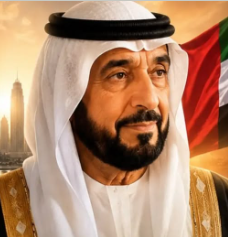
“His legacy was not built on a government title. It was built on the people he helped.”
Barakah Creative By Kanwal
Why Was Abdullah Al Kaabi Respected in His Community?
ليش كان عبدالله الكعبي محبوب ومحترم بين أهل مجتمعه؟
Abdullah Dhuha Askar Al Kaabi earned respect through the way he treated people and the support he gave them over many years. He was remembered as a wise and approachable elder who people could turn to when they needed advice, help, or someone they trusted to listen. His influence came from personal relationships and years of experience, rather than from any official position.
🇦🇪 التوصية بالعربية: عبدالله ضحى عسكر الكعبي كسب احترام الناس من طريقة تعامله معهم والمساعدة اللي كان يقدمها لهم. كانوا يشوفونه رجل كبير وحكيم ويقدرون يرجعون له وقت الحاجة، ومكانته كانت من علاقته بالناس وخبرته، مو من منصب رسمي.
How Did Abdullah Al Kaabi Help Resolve Disputes?
One of the roles described in the information about Abdullah was helping people deal with disagreements. As a respected community elder, he was approached to help settle disputes and bring people closer to an understanding. His calm approach and experience made people trust his judgment.
🇦🇪 التوصية بالعربية: من الأدوار اللي عُرف فيها عبدالله مساعدته للناس في حل الخلافات. كانوا يرجعون له لأنه كان هادي وعنده خبرة، وكان يحاول يقرب وجهات النظر ويوصل الناس لحل مناسب.
How Did Abdullah Al Kaabi Help Families?
His support extended beyond individual disagreements. He was also remembered for helping families through difficult situations and trying to restore understanding when relationships became strained. For people in his community, this kind of personal support was an important part of his role as an elder.
🇦🇪 التوصية بالعربية: مساعدته ما كانت تقتصر على الخلافات الفردية. كان يوقف مع الأسر وقت الصعوبات ويحاول يصلح العلاقات إذا صار بينهم خلاف، وهذا كان جزء مهم من دوره كأحد كبار المجتمع.
Helping Couples Reconcile
Abdullah was also known for helping reconcile couples who were experiencing problems in their marriages. Rather than simply taking sides, his role was connected to bringing people together and encouraging reconciliation when possible.
🇦🇪 التوصية بالعربية: كان عبدالله يساعد بعض الأزواج إذا صار بينهم خلاف، ويحاول يصلح بينهم ويقرب وجهات النظر بدل ما يزيد المشكلة.
Helping Young People Get Married
His community role also included helping arrange marriages. In the traditional community setting in which he lived, a respected elder could play an important part in bringing families together and helping young people begin their married lives.
🇦🇪 التوصية بالعربية: وكان له دور أيضاً في مساعدة الشباب على الزواج، خصوصاً في المجتمع التقليدي اللي عاش فيه، حيث كان للكبار وأهل الحكمة دور مهم في التقريب بين العائلات.
Raising Orphaned Children
Perhaps one of the most meaningful parts of Abdullah's community service was his care for orphaned children. His son Mohammed said that his father raised many children who had lost either their mother or their father.
This gives a deeper meaning to the way his family remembers his generosity and sense of responsibility toward others.
🇦🇪 التوصية بالعربية: من أجمل الأشياء اللي تذكرها عائلته عن عبدالله اهتمامه بالأطفال الأيتام. ابنه محمد ذكر أن والده ربّى أطفال فقدوا أمهاتهم أو آباءهم، وهذا يوضح مدى كرمه وإحساسه بالمسؤولية تجاه الناس.
A Legacy of Helping People
مساعدة الناس كانت جزء من إرث عبدالله الكعبي
Abdullah Dhuha Askar Al Kaabi's legacy was shaped not by an official position, but by the relationships he built and the people he helped throughout his life. His story is a reminder that a person's influence can come from trust, kindness, wisdom, and service to others.
🇦🇪 التوصية بالعربية: إرث عبدالله ضحى عسكر الكعبي ما تأسس على منصب رسمي، بل على علاقاته مع الناس والمساعدة اللي قدمها لهم طوال حياته. قصته تذكرنا إن تأثير الإنسان ممكن يجي من الثقة والطيبة والحكمة وخدمة الآخرين.
Abdullah Dhuha Askar Al Kaabi's Family
عائلة عبدالله ضحى عسكر الكعبي
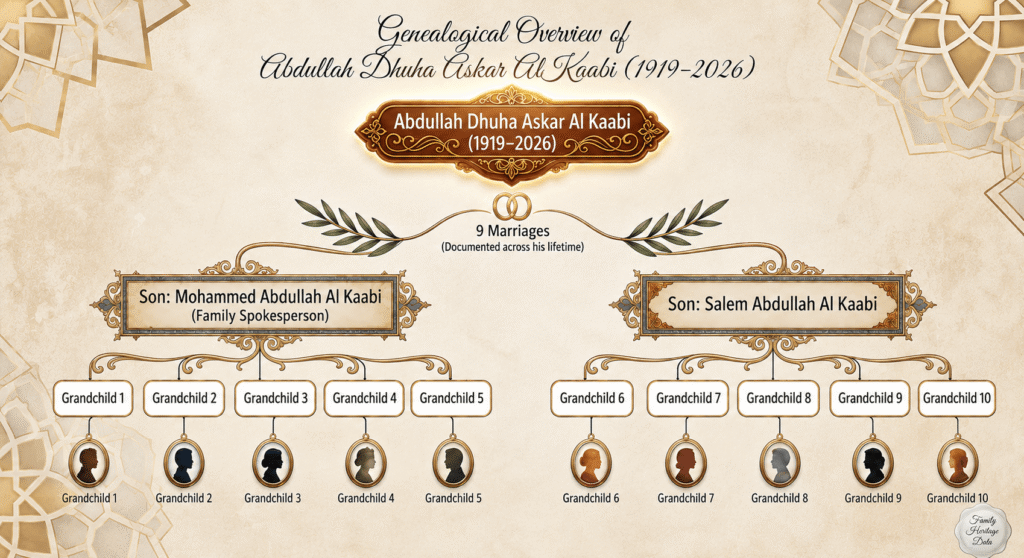
Abdullah Dhuha Askar Al Kaabi's family was an important part of his long life. He married nine times and had two sons, Mohammed and Salem. He also had ten grandchildren, and his family remembered his remarkable ability to recall their names even in his later years.
🇦🇪 التوصية بالعربية: عائلة عبدالله كانت جزء مهم من حياته الطويلة. تزوج تسع مرات، وكان عنده ابنان محمد وسالم، وعشرة أحفاد. وكانت عائلته تتذكر قوة ذاكرته وقدرته على تذكر أسماء أحفاده حتى في سنواته الأخيرة.
Abdullah Al Kaabi's Family at a Glance
| Family Detail | Information |
|---|---|
| Name | Abdullah Dhuha Askar Al Kaabi |
| Marriages | 9 |
| Sons | 2: Mohammed Abdullah Al Kaabi and Salem Abdullah Al Kaabi |
| Grandchildren | 10 |
| Known For | Wisdom, helping people, and strong family ties |
| Remarkable Memory | Remembered for recalling his grandchildren's names and events from decades earlier |
🇦🇪 التوصية بالعربية: هذا الجدول يعطيك نظرة سريعة على أهم المعلومات المعروفة عن عائلة عبدالله، من عدد زيجاته إلى أبنائه وأحفاده وقوة ذاكرته.
How Many Times Did Abdullah Al Kaabi Marry?
Abdullah Al Kaabi was reported to have married nine times during his lifetime. His large family history reflects the social and family structures of the generations in which he lived.
🇦🇪 التوصية بالعربية: تذكر المعلومات المتوفرة أن عبدالله تزوج تسع مرات خلال حياته، وكانت حياته الأسرية جزءاً من المجتمع والجيل اللي عاش فيه.
Who Were Abdullah Al Kaabi's Sons?
Abdullah had two sons, Mohammed and Salem. His son Mohammed became an important source of personal memories about his father and shared details about Abdullah's character, childhood, community role, and final years.
🇦🇪 التوصية بالعربية: كان عند عبدالله ابنان، محمد وسالم. وكان ابنه محمد من أهم الأشخاص اللي نقلوا ذكريات وتفاصيل عن شخصية والده وحياته ودوره بين الناس.
How Many Grandchildren Did Abdullah Al Kaabi Have?
Abdullah had ten grandchildren. One of the details that stood out in accounts of his later years was his ability to remember their names despite his advanced age. His strong memory remained one of the characteristics his family associated closely with him.
🇦🇪 التوصية بالعربية: كان عند عبدالله عشرة أحفاد، ومن الأشياء اللي تميز فيها حتى في عمره الكبير أنه كان يتذكر أسماءهم، وظلت قوة ذاكرته من أكثر الصفات اللي تتذكرها عائلته عنه.
Abdullah Al Kaabi's Remarkable Memory of His Family
His memory was remarkable not only because of his age, but because of how much of his past he could still recall. His family said he could remember events from many decades earlier, while his ability to remember his grandchildren's names became a touching example of the connection he maintained with his family.
🇦🇪 التوصية بالعربية: قوة ذاكرة عبدالله كانت لافتة بشكل كبير، خصوصاً مع تقدمه في العمر. كان يتذكر أحداث من عقود طويلة، وكان تذكره لأسماء أحفاده مثال جميل على قربه من عائلته.
Family Tree of Abdullah Dhuha Askar Al Kaabi
The family tree below provides a visual summary of the family information documented in the biography. It makes the relationships easier to understand without interrupting the story with a long list of names.
🇦🇪 التوصية بالعربية: شجرة العائلة التالية تعطي صورة واضحة وسريعة عن أفراد عائلة عبدالله والعلاقات بينهم، وتخلي المعلومات أسهل للفهم بدون ما نطول في سرد الأسماء.
The Man Who Never Drove a Car
الرجل اللي ما ساق سيارة في حياته
Abdullah Dhuha Askar Al Kaabi lived through a time when cars, modern roads, and transportation became an ordinary part of everyday life in the UAE. Yet, despite living to the age of 107, he was known for never driving a motor vehicle. He continued to rely on walking and the traditional ways of getting around that had been part of his life from a young age.
🇦🇪 التوصية بالعربية: عبدالله ضحى عسكر الكعبي عاش في زمن تغيرت فيه وسائل النقل بشكل كبير، لكن رغم إنه وصل لعمر 107 سنة، كان معروف إنه ما ساق سيارة في حياته. ظل يعتمد على المشي وطرق التنقل التقليدية اللي تعود عليها من صغره.
Why Did Abdullah Al Kaabi Walk Everywhere?
Walking was simply part of Abdullah's way of life. His family and people who knew him remembered how physically active he remained, even as he grew older. His connection to walking reflected the traditional lifestyle of his generation, when people often travelled on foot and remained closely connected to their surroundings.
🇦🇪 التوصية بالعربية: المشي كان جزء طبيعي من حياة عبدالله. أهله والناس اللي عرفوه كانوا يتذكرون نشاطه حتى مع تقدمه في العمر، وكان اعتماده على المشي مرتبط بأسلوب الحياة التقليدي اللي عاشه جيله.
Abdullah Al Kaabi's Walk to His Children's School
One of the memorable stories connected to Abdullah's life was his habit of walking to check on his children. He was known to make a journey of several kilometres to reach their school, showing how closely involved he remained in his children's lives and education despite not having received formal schooling himself.
🇦🇪 التوصية بالعربية: من القصص الجميلة عن عبدالله مشيه لمسافة عدة كيلومترات حتى يروح يطمئن على أبنائه في المدرسة. وهذا يبين مدى اهتمامه بأبنائه وحرصه عليهم، رغم إنه هو نفسه ما حصل على تعليم مدرسي رسمي.
A Story That Shows Abdullah Al Kaabi's Character
For Abdullah, walking was more than simply a way to travel. It became part of the stories people remembered about him: a man who remained active, independent, and closely connected to his family and community. Even as the UAE changed around him, some of these simple habits from his early life stayed with him.
🇦🇪 التوصية بالعربية: بالنسبة لعبدالله، المشي ما كان مجرد وسيلة تنقل، لكنه صار جزء من القصص اللي الناس يتذكرونها عنه. كان رجل يعتمد على نفسه ونشيط وقريب من أهله ومجتمعه، وحتى مع تطور الإمارات من حوله، ظلت بعض عاداته القديمة معه.
Family values were an important part of Abdullah Dhuha Askar Al Kaabi’s life and legacy. His story also reflects the importance of fathers, family bonds, respect, and the values passed from one generation to another. For another UAE story highlighting these family values, read Sheikh Hamdan’s Father’s Day tribute to Sheikh Mohammed bin Rashid Al Maktoum.
What Did Abdullah Al Kaabi's Teacher Remember About Him?
People who knew Abdullah from different stages of life also remembered his character and determination. Accounts shared by those close to his family helped preserve stories about his daily life, his relationship with his children, and the simple habits that remained part of his personality for decades.
🇦🇪 التوصية بالعربية: الأشخاص اللي عرفوا عبدالله في مراحل مختلفة من حياته احتفظوا بذكريات كثيرة عن شخصيته وإصراره. والقصص اللي نقلها المقربون من عائلته ساعدت في توثيق تفاصيل عن حياته اليومية وعلاقته بأبنائه والعادات البسيطة اللي ظلت معه لسنوات طويلة.
What Did Abdullah Al Kaabi's Teacher Remember About Him?
ماذا تذكر معلم عبدالله الكعبي عنه؟
The memories shared by people who knew Abdullah Dhuha Askar Al Kaabi help show a side of his personality that statistics cannot capture. Beyond being a 107-year-old Emirati centenarian, he was remembered as a man who valued learning, family, good character, and the people around him.
🇦🇪 التوصية بالعربية: الذكريات اللي نقلها الأشخاص اللي عرفوا عبدالله ضحى عسكر الكعبي تعطينا صورة عن شخصيته بعيد عن الأرقام والعمر. ما كان معروف بس لأنه عاش 107 سنة، لكن لأنه كان يهتم بالتعلم والأهل وحسن التعامل مع الناس.
A Man Who Valued Education Despite Never Attending School
Abdullah himself did not receive formal schooling, yet education remained important to him. His interest in his children's education reflected a different kind of lesson from his own life. He understood the value of opportunities that had not been available to him when he was growing up in Al Filli.
🇦🇪 التوصية بالعربية: عبدالله نفسه ما حصل على تعليم مدرسي رسمي، لكن التعليم كان له قيمة كبيرة عنده. وكان اهتمامه بتعليم أبنائه يعكس فهمه لأهمية الفرص اللي ما كانت متوفرة له هو وقت طفولته في الفلي.
His Story Through the Memories of Others
This is one of the reasons Abdullah's biography is worth preserving. Official titles and formal qualifications do not tell the whole story of a person's life. In Abdullah's case, the memories of his family and the people around him help reveal the values, habits, and experiences that shaped him over more than a century.
🇦🇪 التوصية بالعربية: لهذا السبب قصة عبدالله تستحق التوثيق. الألقاب الرسمية والشهادات ما تحكي كل شيء عن الإنسان. في حالة عبدالله، ذكريات أهله والناس اللي عاشوا حوله تساعدنا نفهم القيم والعادات والتجارب اللي شكلت شخصيته خلال أكثر من قرن.
A Living Memory of Old Emirati Life
Abdullah's memories also carried something bigger than his own biography. He had personally experienced a period of Emirati history that began long before the Union and continued through the country's extraordinary development.
His life therefore became a living connection between generations who knew the old way of life and those who grew up in the modern UAE.
🇦🇪 التوصية بالعربية: ذكريات عبدالله ما كانت تخص حياته بس، لكنها كانت جزء من ذاكرة الإمارات القديمة. عاش قبل الاتحاد وبعده، وشاف التطور الكبير في الدولة، ولهذا كانت حياته حلقة وصل بين جيل عاش الحياة القديمة والأجيال اللي تربت في الإمارات الحديثة.
Abdullah Al Kaabi and Emirati Heritage
عبدالله الكعبي وتراث الإمارات
Abdullah Dhuha Askar Al Kaabi carried memories of an older way of life that existed long before the UAE became the modern country we know today. Growing up in Al Filli, Sharjah, he experienced a community where family, faith, traditional work, livestock, farming, and close relationships between neighbours were part of everyday life.
🇦🇪 التوصية بالعربية: عبدالله ضحى عسكر الكعبي عاش فترة قديمة من حياة الإمارات قبل التطور الكبير اللي نعرفه اليوم. تربى في الفلي بالشارقة، وكانت الأسرة والدين والعمل التقليدي والمواشي والزراعة والعلاقات القريبة بين أهل المنطقة جزء من حياته اليومية.
What Did Abdullah Al Kaabi Remember About Traditional Life?
His memories reflected the simplicity of earlier Emirati life. He experienced a time when people depended more directly on their surroundings and on one another, while knowledge was passed between generations through family members, elders, work, religion, and everyday experience.
🇦🇪 التوصية بالعربية: ذكريات عبدالله كانت تعكس بساطة الحياة الإماراتية القديمة، في وقت كان الناس يعتمدون أكثر على البيئة اللي حولهم وعلى بعضهم، وكانت الخبرة تنتقل من الأهل والكبار ومن خلال العمل والدين والحياة اليومية.
Abdullah Al Kaabi's Connection to Livestock and Farming
Livestock and traditional work were part of Abdullah's life from an early age. His connection with the desert environment and animals reflected the practical lifestyle of his generation, before modern development changed the way many people lived and worked.
🇦🇪 التوصية بالعربية: المواشي والعمل التقليدي كانوا جزء من حياة عبدالله من صغره. وارتباطه بالبادية والحيوانات يعكس أسلوب الحياة العملي اللي كان معروف عند جيله قبل ما يتغير شكل الحياة مع التطور الحديث.
Passing Traditional Values to the Next Generation
Abdullah's importance as a community elder was not only about the help he gave people. His life itself represented a connection to an earlier generation of Emiratis. Through his memories, family stories, and everyday experiences, younger generations could learn about a way of life that had changed dramatically during his lifetime.
🇦🇪 التوصية بالعربية: أهمية عبدالله ما كانت بس في مساعدته للناس، لكن حياته نفسها كانت تمثل حلقة وصل مع جيل إماراتي قديم. ومن خلال ذكرياته وقصص عائلته وتجربته، قدرت الأجيال الأصغر تتعرف على حياة تغيرت بشكل كبير خلال عمره.
Abdullah Al Kaabi's Life Alongside the UAE's Transformation
حياة عبدالله الكعبي مع تطور الإمارات
1919 → Born in Al Filli
↓
1920s–1940s → Traditional Emirati childhood & working life
↓
1950s–1960s → Family, work & community life
↓
1971 → 🇦🇪 UAE Union — Abdullah was 52
↓
1980s–1990s → Witnessed rapid national development
↓
2000s → Elder and keeper of traditional memories
↓
2010s → Living link between generations
↓
~2020 → Illness begins
↓
2026 → Passed away at 107
Abdullah Dhuha Askar Al Kaabi lived through almost the entire modern history of the UAE. Born in 1919 and passing away in 2026, his 107 years covered the period before the Union, the establishment of the United Arab Emirates, and more than five decades of rapid national development. Looking at his life alongside the country's transformation gives us a unique way to understand just how much the UAE changed during one person's lifetime.
🇦🇪 التوصية بالعربية: عبدالله ضحى عسكر الكعبي عاش تقريباً كل مراحل تاريخ الإمارات الحديث. انولد عام 1919 وتوفى في 2026، يعني عاش فترة ما قبل الاتحاد وقيام الدولة وبعدها أكثر من خمسين سنة من التطور السريع. لما نشوف حياته مع تطور الإمارات، نقدر نفهم حجم التغيير اللي صار خلال عمر شخص واحد.
1919 | Abdullah Al Kaabi Was Born in Al Filli, Sharjah
Age : 0
Abdullah was born in Al Filli, Sharjah, when the UAE did not yet exist. The region was made up of separate emirates, with traditional livelihoods such as pearling, fishing, farming, trade, and livestock shaping everyday life.
🇦🇪 التوصية بالعربية: وُلد عبدالله في الفلي بالشارقة عام 1919، قبل قيام دولة الإمارات. وكانت الحياة تعتمد بشكل كبير على اللؤلؤ والصيد والزراعة والتجارة والمواشي.
Source: UAE Government, History; UAE Government, Social Life.
1920s | Traditional Emirati Life Before the UAE
Age 1- 10
During Abdullah's childhood, the region was still living through a traditional way of life. Coastal communities depended on pearling and fishing, while inland communities relied on farming, livestock, trade, and local resources. The UAE had not yet been formed.
🇦🇪 التوصية بالعربية: في عشرينيات القرن الماضي، كانت الحياة في المنطقة تعتمد بشكل كبير على اللؤلؤ والصيد والزراعة والمواشي والتجارة، وكانت دولة الإمارات لا تزال بعيدة عن مرحلة الاتحاد.
Source: UAE Government, History and Social Life.
1930s | Oil Exploration Begins
Age 11- 20
In the early 1930s, oil companies began geological surveys in the Trucial States. It was the beginning of an economic shift that would eventually transform the region. The first crude oil shipment from Abu Dhabi came in 1962.
This was the beginning of a new chapter. Oil would gradually replace pearling as a major driver of the region's economy and help fund the development that followed.
🇦🇪 التوصية بالعربية: في بداية الثلاثينيات بدأت شركات النفط عمليات المسح الجيولوجي في الإمارات المتصالحة. وكانت هذه بداية التحول الاقتصادي الكبير، إلى أن صدّرت أبوظبي أول شحنة من النفط الخام عام 1962.
Source: UAE Ministry of Foreign Affairs, History.
1940s | The Region Begins Looking Beyond Pearling
Age 21- 30
The pearling economy had already suffered major setbacks, and the Trucial States were going through difficult years. At the same time, oil companies were continuing exploration, laying the groundwork for the economic changes that would come later.
A difficult old economy was slowly giving way to a new one. The transformation had not happened yet, but the foundations were being laid during Abdullah's adulthood.
🇦🇪 التوصية بالعربية: كانت الإمارات المتصالحة تمر بسنوات صعبة بعد تراجع اقتصاد اللؤلؤ، وفي نفس الوقت بدأت عمليات البحث عن النفط تمهد لتحول اقتصادي كبير في السنوات القادمة.
Source: Gulf News; Gulf News Archives.
1930s | Oil Exploration Begins in the Trucial States
Age 31–40
The 1950s marked a major turning point. Oil was discovered in Abu Dhabi in 1958, bringing new possibilities for development after years of economic hardship following the decline of pearling.
A new source of wealth was beginning to change the future of the Emirates. Oil would soon help fund schools, hospitals, roads, housing, and other major developments.
🇦🇪 التوصية بالعربية: كانت الخمسينيات نقطة تحول مهمة. اكتُشف النفط في أبوظبي عام 1958، وبدأت مرحلة اقتصادية جديدة بعد سنوات صعبة عاشتها المنطقة عقب تراجع تجارة اللؤلؤ.
Source: UAE Government; Gulf News.
1960s | UAE Development and the Road to Union
Age 41–50
The 1960s brought faster change to the emirates. Oil exports had begun, development projects were expanding, and cooperation between the emirates was becoming more important. In 1968, Sheikh Zayed and Sheikh Rashid agreed to work towards a federation.
The old Trucial States were entering a completely new chapter. Economic growth was accelerating, while the idea of a united country was becoming a reality.
🇦🇪 التوصية بالعربية: شهدت الستينيات تحولاً سريعاً في الإمارات. بدأت عائدات النفط تدعم التطور، وزاد التعاون بين الإمارات، وفي عام 1968 بدأت خطوة مهمة نحو قيام الاتحاد.
Source: UAE Ministry of Foreign Affairs - History; BBC News - UAE Timeline
1971 | The United Arab Emirates Is Established
Age 52
On 2 December 1971, six emirates came together to establish the United Arab Emirates. Abdullah was 52 years old and entered a completely new chapter of the country's history.
A new nation was born. What had once been separate emirates was now a federation with a shared national future.
🇦🇪 التوصية بالعربية: في 2 ديسمبر 1971 قامت دولة الإمارات العربية المتحدة، بعد اتحاد ست إمارات. كان عبدالله وقتها بعمر 52 سنة، وبدأت أمامه مرحلة جديدة من تاريخ الدولة.
Source: UAE Government, History and Founders of the Union; Gulf News.
1973 | The UAE Dirham Is Introduced
Age 54
On 19 May 1973, the UAE dirham entered circulation as the country's national currency. It replaced the different currencies being used across the emirates and became another important step toward economic unity.
One country, one currency. The dirham became a lasting symbol of the UAE's growing economic unity.
🇦🇪 التوصية بالعربية: في 19 مايو 1973 بدأ تداول الدرهم الإماراتي كعملة وطنية للدولة، وحل محل العملات المختلفة التي كانت مستخدمة في الإمارات. وكان ذلك خطوة مهمة نحو توحيد الاقتصاد.
1973–1976 | UAE Economic Development After Union
Age 54–57
The new UAE continued building its national foundations. The dirham was introduced in 1973, followed by major steps in education and national institutions, including the establishment of UAE University in 1976.
The young federation was quickly becoming a modern nation.
🇦🇪 التوصية بالعربية: بين 1973 و1976 بدأت الإمارات تبني مؤسساتها الحديثة بسرعة، من العملة الوطنية إلى التعليم والمؤسسات الاتحادية.
Source: UAE Government; Gulf News.
1981–1985 | The UAE Expands Its Regional and Global Reach
Age 62–66
The UAE's growth was no longer only about building the country at home. In 1981, the Gulf Cooperation Council was established in Abu Dhabi, strengthening regional cooperation. In 1985, Emirates launched its first flights from Dubai, opening a new chapter in the country's international aviation story.
The young federation was becoming increasingly connected to the world.
🇦🇪 التوصية بالعربية: بين 1981 و1985 توسع دور الإمارات إقليمياً وعالمياً. تأسس مجلس التعاون الخليجي في أبوظبي عام 1981، ثم انطلقت طيران الإمارات من دبي عام 1985.
Source: Gulf News; Emirates official history. Wikipedia
1990s | Dubai Emerges as a Global Business Hub
Age 71–80
1999 | Burj Al Arab Opens in Dubai
The UAE continued moving beyond its oil based economy. Dubai expanded its aviation, tourism, finance and trade sectors, while landmarks such as the Burj Al Arab, opened on 1 December 1999, reflected the emirate's growing international profile.
The UAE was no longer only developing. It was becoming globally connected.
🇦🇪 التوصية بالعربية: خلال التسعينيات بدأت الإمارات، خصوصاً دبي، تبرز كمركز عالمي للأعمال والسياحة والطيران والتجارة، وظهرت مشاريع ومعالم جديدة غيرت شكل الدولة.
Source: Gulf News, Key Milestones in UAE History.
2000–2010 | A Global, Modern UAE Takes Shape
Age 81–91
2003 | Etihad Airways Is Established
2010 | Burj Khalifa Opens in Dubai
The UAE entered the new millennium with major growth in technology, finance, transport and tourism. Dubai Internet City opened in 2000, Dubai Metro began in 2009, and Burj Khalifa opened in 2010.
The UAE was becoming a global destination for business, technology and innovation.
🇦🇪 التوصية بالعربية: مع بداية الألفية الجديدة، تطورت الإمارات بسرعة في التقنية والاقتصاد والمواصلات والسياحة، وأصبحت أكثر ارتباطاً بالعالم.
Source: Gulf News; UAE Government.
2020 | Abdullah Al Kaabi Is Diagnosed With Bladder Cancer
Age 101
Abdullah crossed 100 and around 2020, he was diagnosed with bladder cancer. He lived with the illness for approximately six years. Despite his condition, he remained patient and grateful, often saying “Alhamdulillah” when asked about his health.
Even in illnes, his faith remained strong.
🇦🇪 التوصية بالعربية: حوالي عام 2020 تم تشخيص عبدالله بسرطان المثانة، واستمر مرضه حوالي ست سنوات. ورغم مرضه، ظل صابراً وحامداً لله، وكان يقول «الحمد لله» عندما يُسأل عن حالته.
Source: Family account reported by Khaleej Times and Gulf Today.
2021 | Expo 2020 Dubai Opens to the World
Age 102
After a pandemic delay, Expo 2020 Dubai opened on 1 October 2021, bringing 192 countries together in the UAE. It became a major international showcase for the country's development, innovation and global connections.
The UAE was now bringing the world to its doorstep.
🇦🇪 التوصية بالعربية: في عام 2021 افتتح إكسبو 2020 دبي بعد تأجيله بسبب الجائحة، وجمع 192 دولة في الإمارات، ليكون محطة مهمة في مسيرة الدولة العالمية.
Source: UAE Government, UAE Voluntary National Review 2022.
2022 | 'We the UAE 2031' Vision Is Launched
Age 103
The UAE launched its 'We the UAE 2031' vision, setting national goals for the next decade, including doubling GDP to AED 3 trillion, increasing non-oil exports, and improving quality of life.
After 50 years of Union, the UAE was already planning its next chapter.
🇦🇪 التوصية بالعربية: في عام 2022 أطلقت الإمارات رؤية «نحن الإمارات 2031»، وهي خطة وطنية للعقد القادم تركز على الاقتصاد وجودة الحياة والتنمية المستدامة.
Source: UAE Government Portal, We the UAE 2031. We the UAE 2031
2023 | UAE Hosts COP28 in Dubai
Age 104
The UAE hosted COP28 at Expo City Dubai from 30 November to 12 December 2023, bringing countries together to address climate change and global sustainability.
The UAE was now hosting major conversations about the world's future.
🇦🇪 التوصية بالعربية: في عام 2023 استضافت الإمارات مؤتمر COP28 في دبي، وجمعت دول العالم لمناقشة تغير المناخ والاستدامة.
Source: UAE Government, COP28.
2026 | Fili Fort Reopens After Restoration
Age 107
In February 2026, Sharjah reopened Fili Fort after restoration as part of the Fili Heritage project. The project also revived the historic falaj, added a heritage house, souq, café and other visitor facilities.
The place where Abdullah was born was now being preserved as part of Sharjah's heritage.
🇦🇪 التوصية بالعربية: في فبراير 2026 أعيد افتتاح حصن فِلي بعد ترميمه ضمن مشروع فِلي التراثي، مع إحياء الفلج وإضافة مرافق تراثية جديدة.
Source: Sharjah Government Media Bureau; Gulf Today; Sharjah24.
2026 | Abdullah Dhuha Askar Al Kaabi Passes Away at 107
Age 107
Abdullah Dhuha Askar Al Kaabi passed away in Sharjah on 5 August 2026, aged 107, after a long illness. His death marked the end of a life that began before the UAE existed and continued through more than five decades of Union and national development.
He was born into the old Emirates and left behind a country transformed.
🇦🇪 التوصية بالعربية: توفي عبدالله ضحى عسكر الكعبي في الشارقة يوم 5 أغسطس 2026 عن عمر 107 سنوات بعد رحلة طويلة مع المرض. بدأت حياته قبل قيام دولة الإمارات، وانتهت بعد أكثر من خمسة عقود من الاتحاد والتطور.
Source: Gulf Today; Khaleej Times.
The UAE Abdullah Al Kaabi Knew vs. The UAE He Left Behind
الإمارات اللي عرفها عبدالله والإمارات اللي تركها
A Life Spanning Two Eras
The UAE Abdullah Al Kaabi Knew vs The UAE He Left Behind
Two versions of one country, seen through one lifetime. Scroll to trace how far the journey went.
Designed by Barakah Creative by Kanwal
Abdullah Dhuha Askar Al Kaabi's 107 year life covered one of the most remarkable periods in the history of the UAE. He was born into a traditional community where daily life was closely connected to family, the desert, livestock, local work, and community relationships. By the time of his death in 2026, he had witnessed the UAE become a highly developed modern country.
🇦🇪 التوصية بالعربية: عبدالله ضحى عسكر الكعبي عاش 107 سنة، وخلال هالفترة شاف واحدة من أكبر مراحل التغيير في تاريخ الإمارات. انولد في مجتمع كانت حياته مرتبطة بالأهل والصحراء والمواشي والعمل التقليدي، وعاش لين شاف الإمارات تصبح دولة حديثة ومتطورة.
From Traditional Communities to Modern Cities
When Abdullah was young, communities such as Al Filli were much smaller and daily life depended heavily on traditional knowledge and local resources. People worked closely with their families and neighbours, while livestock, farming, trade, and desert life were important parts of the community.
🇦🇪 التوصية بالعربية: لما كان عبدالله صغير، كانت مناطق مثل الفلي أصغر بكثير، وكانت الحياة تعتمد على خبرة الناس والموارد المحلية. الأهل والجيران كانوا قريبين من بعض، وكانت المواشي والزراعة والتجارة وحياة البادية جزء من الحياة اليومية.
The UAE he witnessed later was very different. During his lifetime, the country developed modern roads, schools, hospitals, cities, airports, businesses, and advanced public services. For Abdullah, these were not simply national developments recorded in history. They were changes he personally watched unfold around him.
🇦🇪 التوصية بالعربية: الإمارات اللي شافها عبدالله في سنواته الأخيرة كانت مختلفة بشكل كبير. خلال حياته تطورت الطرق والمدارس والمستشفيات والمدن والمطارات والأعمال والخدمات الحديثة. عبدالله ما كان يقرأ عن هالتطورات في التاريخ، هو شافها تصير قدامه.
Education Changed Across Abdullah Al Kaabi's Lifetime
Abdullah himself grew up without formal schooling, yet he lived long enough to see education become widely accessible to generations after him. This contrast is one of the clearest examples of how much everyday life changed during his lifetime.
🇦🇪 التوصية بالعربية: عبدالله نفسه ما حصل على تعليم مدرسي رسمي، لكنه عاش لين شاف التعليم يصبح متوفر بشكل واسع للأجيال اللي بعده. وهذا من أوضح الأمثلة على حجم التغيير اللي صار خلال عمره.
From Walking to Modern Transportation
Abdullah was remembered for never driving a car, while the UAE around him developed one of the world's most modern transportation networks. Roads, airports, public transport, and modern vehicles became an ordinary part of everyday life.
🇦🇪 التوصية بالعربية: عبدالله كان معروف إنه ما ساق سيارة في حياته، بينما الإمارات من حوله طورت شبكة مواصلات حديثة جداً. الطرق والمطارات والمواصلات العامة والسيارات الحديثة أصبحت جزء طبيعي من الحياة اليومية.
What Stayed the Same
Despite all this change, Abdullah Dhuha Askar remained connected to the values he had learned during his early life. Family, faith, generosity, respect for elders, helping others, and maintaining strong community relationships remained important parts of the person his family and community remembered.
🇦🇪 التوصية بالعربية: رغم كل هالتغيير، عبدالله ظل متمسك بالقيم اللي تربى عليها. الأهل والدين والكرم واحترام الكبار ومساعدة الناس والعلاقة الطيبة مع المجتمع ظلت أشياء مهمة في حياته.
One Lifetime Between Two UAE Generations
That contrast is what makes Abdullah Dhuha Askar Al Kaabi's story so meaningful. He was born in 1919, before the UAE existed, and died in 2026, after witnessing more than five decades of the Union. His life connected an older Emirati way of living with the modern UAE experienced by younger generations.
🇦🇪 التوصية بالعربية: هذا الفرق هو اللي يخلي قصة عبدالله ضحى عسكر الكعبي مميزة. انولد عام 1919 قبل قيام دولة الإمارات، وتوفى في 2026 بعد ما عاش أكثر من خمسين سنة من عمر الاتحاد. حياته كانت حلقة وصل بين حياة الإمارات القديمة والإمارات الحديثة اللي نعرفها اليوم.
At Barakah Creative By Kanwal, we believe stories like Abdullah Dhuha Askar Al Kaabi's deserve to be remembered, because they connect younger generations with the UAE's history, heritage, and remarkable transformation.
Final Thoughts on Abdullah Dhuha Askar Al Kaabi
Abdullah Dhuha Askar Al Kaabi’s 107 year life tells a remarkable story of Emirati heritage, UAE history, and national transformation. Born in Al Filli, Sharjah, in 1919, he lived through the formation of the UAE and witnessed the country change from traditional communities into the modern nation it is today.
His legacy was not built on an official title, but on wisdom, family, faith, community, and helping others. For younger generations, his story offers a personal connection to the history of UAE formation and the values that remain part of Emirati heritage.
🇦🇪 التوصية بالعربية: قصة عبدالله ضحى عسكر الكعبي هي قصة من قصص التراث الإماراتي والتحول الكبير اللي شهدته الدولة. انولد في الفلي بالشارقة عام 1919، وعاش قيام الاتحاد والتطور اللي حول الإمارات إلى الدولة الحديثة اللي نعرفها اليوم. إرثه ما كان بسبب منصب رسمي، بل بسبب حكمته وعائلته وإيمانه ومساعدته للناس.
Frequently Asked Questions About Abdullah Dhuha Askar Al Kaabi
1. Who was Abdullah Dhuha Askar Al Kaabi?
A. Abdullah Dhuha Askar Al Kaabi was an Emirati community elder from Al Filli, Sharjah, born in 1919. He lived to 107 and witnessed the formation and transformation of the UAE.
🇦🇪 التوصية بالعربية: عبدالله ضحى عسكر الكعبي كان من كبار المجتمع الإماراتي في الفلي بالشارقة. انولد عام 1919 وعاش 107 سنوات، وشهد قيام دولة الإمارات والتطور الكبير اللي صار فيها.
Q. 2. How old was Abdullah Al Kaabi when he died?
A. Abdullah Dhuha Askar Al Kaabi was 107 years old when he passed away on 5 August 2026 in Sharjah.
🇦🇪 التوصية بالعربية: عبدالله توفى عن عمر 107 سنوات في الشارقة بتاريخ 5 أغسطس 2026.
Q. 3. Where was Abdullah Al Kaabi born?
A. Abdullah was born in Al Filli (Al Fili), Sharjah, in 1919. His early life was closely connected to traditional Emirati community life.
🇦🇪 التوصية بالعربية: عبدالله انولد في الفلي بالشارقة عام 1919، وعاش طفولته في بيئة إماراتية تقليدية.
Q. 4. Did Abdullah Dhuha Askar Al Kaabi hold a government position?
A. No. Abdullah was not known for holding a formal government title, ministerial position, or senior public office. He earned respect through his experience, wisdom, and service to people in his community.
🇦🇪 التوصية بالعربية: لا، عبدالله ما كان معروف بمنصب حكومي أو منصب رسمي. مكانته بين الناس جاءت من حكمته وخبرته ومساعدته للمجتمع.
Q. 5. What was Abdullah Al Kaabi known for?
He was remembered for his strong memory, wisdom, religious devotion, generosity, family values, and willingness to help others.
🇦🇪 التوصية بالعربية: كان معروف بذاكرته القوية وحكمته وإيمانه وكرمه وحبه لأهله ومساعدته للناس.
Q 6. Did Abdullah Al Kaabi Receive a Formal Education? هل حصل عبدالله الكعبي على تعليم رسمي؟
A. No, he never received a formal education, yet he was highly respected for his sharp wit and wisdom.
لا، ما حصل على تعليم رسمي، بس كان محترم وراعي حكمة وفطنة.
Q. 7. How Did Abdullah Al Kaabi Help People in His Community? كيف كان عبدالله الكعبي يساعد الناس في مجتمعه؟
A. Abdullah was remembered for helping people resolve disagreements, support families, reconcile couples, arrange marriages, and care for orphaned children.
🇦🇪 التوصية بالعربية: كان يساعد الناس في حل الخلافات، ويدعم الأسر، ويساعد الأزواج على الصلح، ويساهم في الزواج، وكان يهتم بالأطفال الأيتام.
Q. 8. How Many Children and Grandchildren Did Abdullah Al Kaabi Have? كم كان عند عبدالله الكعبي من أبناء وأحفاد؟
A. According to the family information covered in this article, Abdullah had two sons, Mohammed Abdullah Al Kaabi and Salem Abdullah Al Kaabi, and ten grandchildren.
🇦🇪 التوصية بالعربية: حسب المعلومات العائلية، كان عند عبدالله ولدين، محمد عبدالله الكعبي وسالم عبدالله الكعبي، وعشرة أحفاد.
Q. 9. How many times was Abdullah Al Kaabi married? كم مرة تزوج عبدالله الكعبي؟
A. The family information documented in the article records nine marriages during his lifetime.
🇦🇪 التوصية بالعربية: حسب المعلومات الموثقة في القصة، عبدالله تزوج تسع مرات خلال حياته.
Q. 10. Did Abdullah Al Kaabi Witness the Formation of the UAE? هل شهد عبدالله الكعبي قيام دولة الإمارات؟
A. Yes. Abdullah was 52 years old when the United Arab Emirates was formed on 2 December 1971. He then lived through more than five decades of the country's development.
🇦🇪 التوصية بالعربية: نعم. عبدالله كان عمره 52 سنة وقت قيام دولة الإمارات في 2 ديسمبر 1971، وعاش بعدها أكثر من خمسين سنة من تطور الدولة.
Q.11. What Did Abdullah Al Kaabi Witness During the UAE's Transformation? شو شاف عبدالله الكعبي خلال تطور الإمارات؟
A. He witnessed the UAE's transformation from traditional communities and desert based life to modern cities, advanced infrastructure, education, healthcare, transportation, technology, and global development.
🇦🇪 التوصية بالعربية: عبدالله شاف الإمارات تنتقل من الحياة التقليدية والبادية إلى مدن حديثة وطرق متطورة وتعليم وصحة ومواصلات وتقنية وتطور عالمي.
Q. 12. What Happened to Abdullah Al Kaabi Around 2020? شو صار لعبدالله الكعبي حوالي عام 2020؟
A. Around 2020, Abdullah was diagnosed with bladder cancer and reportedly lived with the illness for approximately six years. His family remembered his patience, faith, and gratitude during his illness.
🇦🇪 التوصية بالعربية: حوالي عام 2020 تم تشخيص عبدالله بسرطان المثانة، واستمر مرضه تقريباً ست سنوات. أهله كانوا يتذكرون صبره وإيمانه وحمده لله خلال فترة مرضه.
Q. 13. When Did Abdullah Dhuha Askar Al Kaabi Pass Away? متى توفى عبدالله ضحى عسكر الكعبي؟
A. Abdullah Dhuha Askar Al Kaabi passed away in Sharjah on 5 August 2026 at the age of 107.
🇦🇪 التوصية بالعربية: توفى عبدالله ضحى عسكر الكعبي في الشارقة يوم 5 أغسطس 2026 عن عمر 107 سنوات.
Q. 14. Why Is Abdullah Al Kaabi Important to UAE History? ليش قصة عبدالله الكعبي مهمة في تاريخ الإمارات؟
A. His importance comes from the fact that his 107-year life crossed two very different eras. He was born before the UAE existed and lived long enough to witness the country's transformation after Union.
🇦🇪 التوصية بالعربية: أهمية عبدالله إنه عاش بين زمنين مختلفين. انولد قبل قيام الإمارات وعاش لين شاف الدولة تتطور وتتغير بشكل كبير بعد الاتحاد.
Q. 15. What Is Abdullah Al Kaabi's Connection to Emirati Heritage? شو علاقة عبدالله الكعبي بالتراث الإماراتي؟
As a centenarian born in 1919, his entire life embodied the traditional desert lifestyle, values, and resilience of early Emiratis.
باعتباره مولود في 1919، كانت حياته وطريقته تمثل حياة أهل الإمارات أول والبيئة الصحراوية وتقاليدها الأصيلة.
Q. 16. What Is the Legacy of Abdullah Dhuha Askar Al Kaabi? شو الإرث اللي تركه عبدالله ضحى عسكر الكعبي؟
A. His legacy is remembered through the people he helped, the families he supported, his wisdom, and the traditional values he carried across generations. His life also offers a unique personal perspective on the history of UAE formation.
🇦🇪 التوصية بالعربية: إرث عبدالله ما كان مرتبط بمنصب، بل بالناس اللي ساعدهم والأسر اللي وقف معها والحكمة والقيم اللي عاش فيها ونقلها للأجيال.